A stiff sports car can feel amazing on a clean on-ramp, then feel downright tiring on everyday streets. If you love the way your car turns and brakes but hate how it reacts to rough pavement, you’re in a common spot. The real question is whether you can make it more livable without turning it into something that feels numb or sloppy.
You usually can, but it depends on what is actually making the ride harsh. A lot of people throw parts at the problem and end up disappointed, because they changed the wrong thing first.
What Makes A Sports Car Ride Harsh In The First Place
Sports cars are built around control. They often have firmer springs, stronger sway bars, lower ride height, and less suspension travel than regular cars. That makes the chassis react quickly, but it also means there is less room to absorb broken pavement.
Wheel and tire choices amplify this. Low-profile tires have shorter sidewalls, so they flex less and transmit more road texture into the cabin. If the car is also running with high tire pressure, the ride can feel sharp even when the suspension is fine. We see a lot of ride complaints that end up being a mix of tire setup plus damper tuning, not a single broken part.
Start With Tires And Pressures
If you want the biggest improvement for the least disruption to handling, start here. Tire pressure that is a little too high can make a sports car feel skittish and harsh. The correct pressure depends on the tire, wheel size, load, and driving style, so it’s worth following the sticker baseline and adjusting carefully from there.
Next, look at the tire itself. Two tires of the same size can ride very differently. Some performance tires prioritize steering response and road feel. Others are designed to be more street-friendly and quieter. A tire with a slightly more forgiving sidewall can take the edge off impacts without turning the car into a floaty cruiser.
Also, check for uneven wear. Cupping, feathering, or chopped tread can make a car feel harsher and noisier than it should, even if the suspension hardware is not the problem.
Wheel Size Choices That Improve Comfort Without Killing Response
Bigger wheels often look great, but they can be rough on real roads. When the wheel diameter goes up, the tire sidewall usually goes down, and that reduces the tire’s ability to absorb bumps. If your car has room for it, stepping down one wheel size and running a slightly taller sidewall tire can be a noticeable comfort gain.
This change can still keep handling sharp if the tire is chosen well and the setup stays within proper load ratings. It can also reduce the chance of wheel damage from potholes. For many drivers, this is the best compromise because it improves ride quality while keeping steering feel crisp.
Damper Adjustments And Suspension Options That Keep Control
If your car has adjustable dampers, you may be able to soften the ride without changing any parts. Dampers control how quickly the suspension moves. When the settings are too aggressive for the road you drive on, the car can feel busy and jittery over small imperfections.
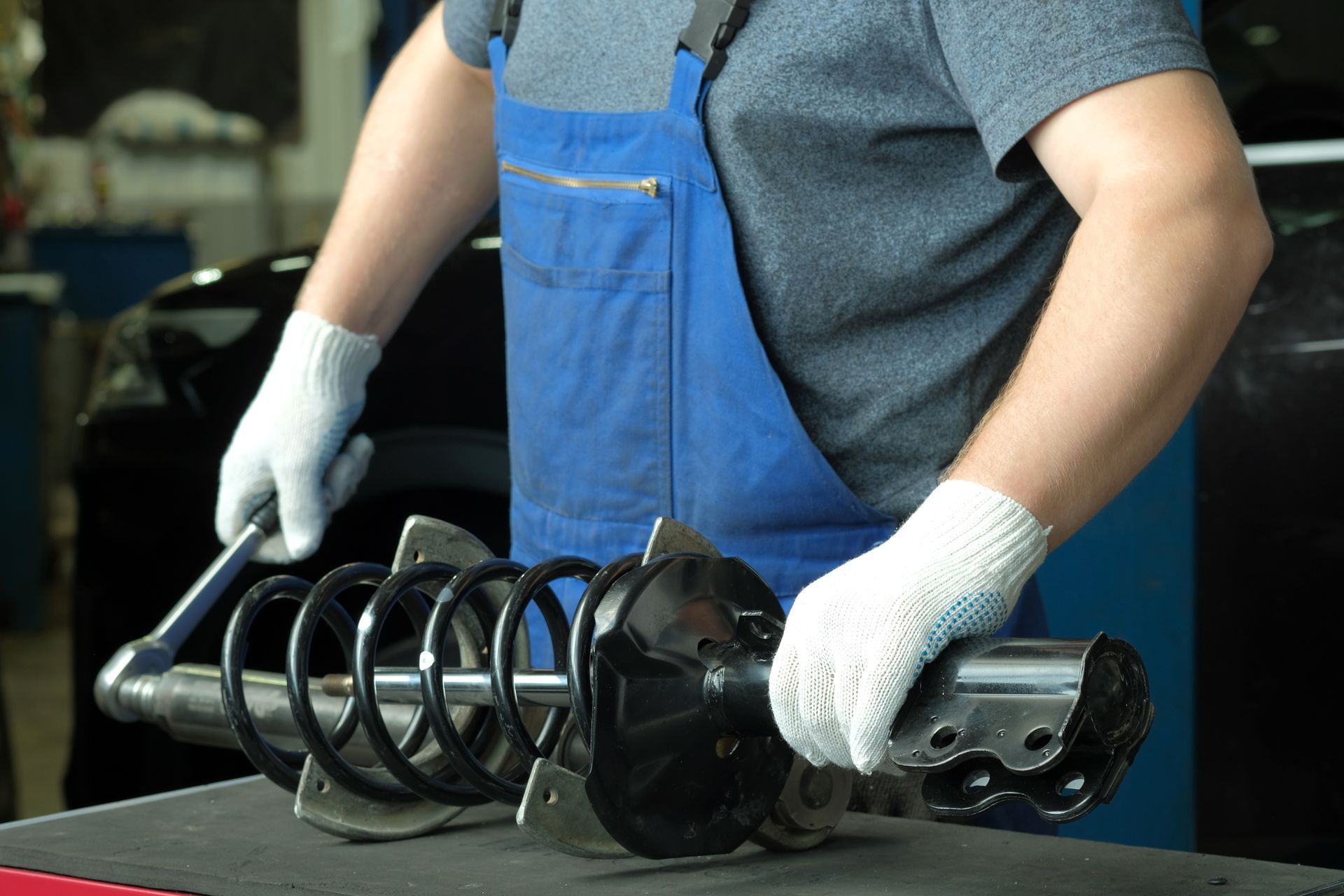
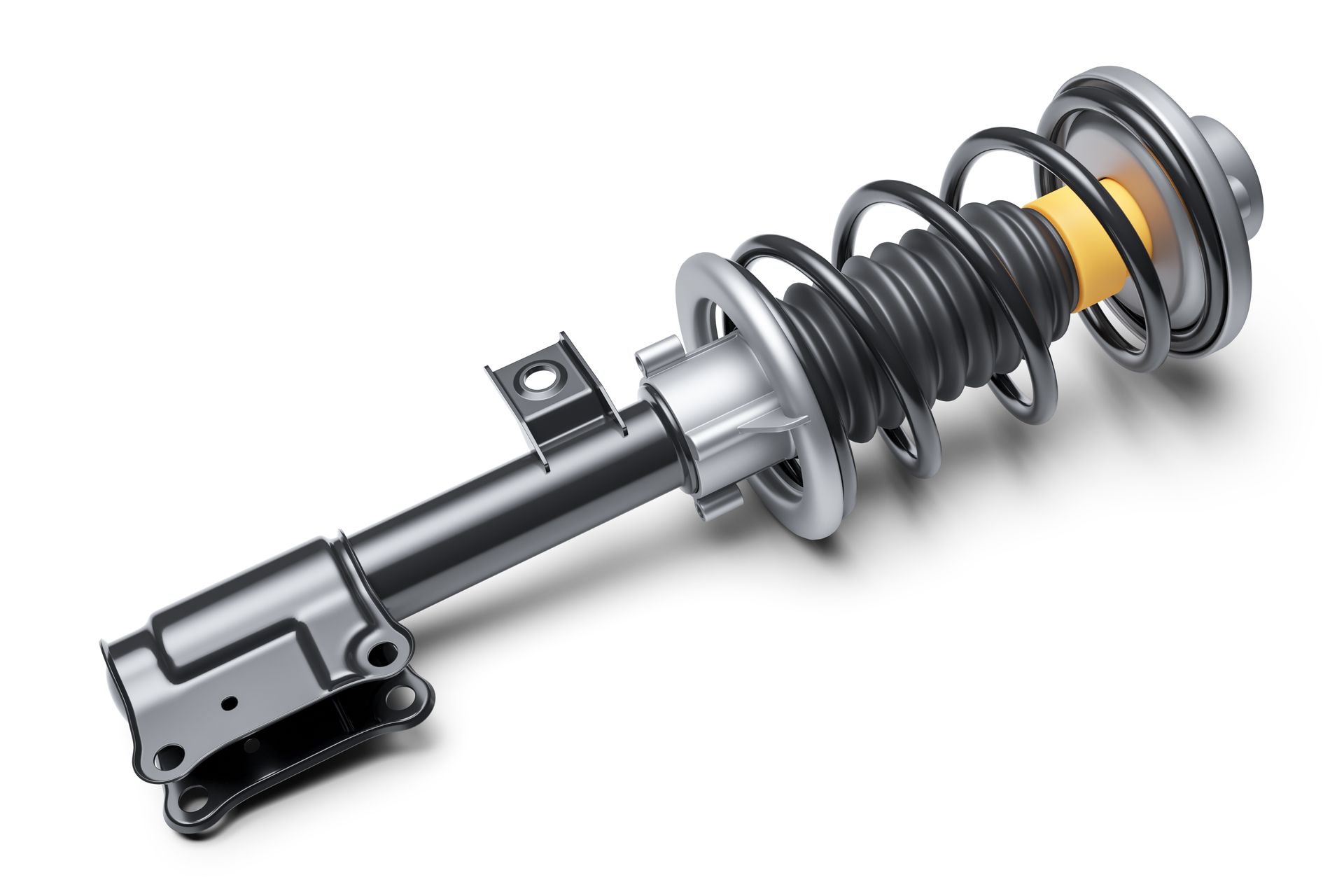
If you do not have adjustable dampers, the next step is choosing parts that match your goal. Springs that are too soft can ruin the balance and increase body movement. Dampers that are not matched to the spring rate can create a bouncy feel. A well-matched package can reduce harshness without losing the planted feel you want.
Alignment matters too. Aggressive alignment settings can increase tramlining and make the car feel more nervous on uneven pavement. A slightly more street-friendly alignment can improve stability and comfort, while still keeping confident turn-in.
How To Tell If A Harsh Ride Is Actually A Worn Part
A sports car can be firm and still feel controlled. When something is worn, the feel usually changes in a way that does not match normal performance tuning. If the ride suddenly got harsher, or you notice noises that were not there before, inspection is the smart move.
Look for patterns like a clunk over bumps, a repetitive knock from one corner, steering that feels loose at highway speed, or bouncing that takes too long to settle after a dip. Worn bushings, tired struts, and damaged mounts can make the car feel sharp and unsettled at the same time. That combination often points to wear, not just firm suspension design.
A Quick Decision Guide Before You Spend Money
Before you commit to parts, it helps to decide what you actually want to change.
- If the harshness is worse over small cracks and rough patches, start with tire pressure and tire choice.
- If the car feels jittery and overreacts to bumps, damper settings or damper valving may be the bigger issue.
- If the ride is harsh and noisy with new vibrations, check for uneven tire wear or a bent wheel.
- If the car clunks or feels loose in corners, inspect bushings, mounts, and joints before changing springs.
- If you want comfort but still want sharp handling, aim for a balanced setup, not the softest possible setup.
The goal is to improve compliance without losing the consistency that makes a sports car enjoyable.
Get Sports Car Suspension Service in San Diego, CA, with Auto Tech Specialists Service Center
We can inspect your suspension and tire setup, confirm whether the ride harshness is normal tuning or worn components, and recommend changes that keep handling predictable. We’ll help you choose an approach that fits your roads and driving style, whether that’s tire and wheel adjustments, damper tuning, or suspension upgrades.
Call
Auto Tech Specialists Service Center in San Diego, CA, to schedule an evaluation and make your sports car easier to live with every day.