Two people can drive the same model for 120,000 miles and end up with completely different repair bills. That isn’t luck, it’s how heat, friction, and load are managed day after day. Most extra wear comes from habits that feel normal in the moment.
Driving style leaves fingerprints.
1. Riding The Brakes In Traffic
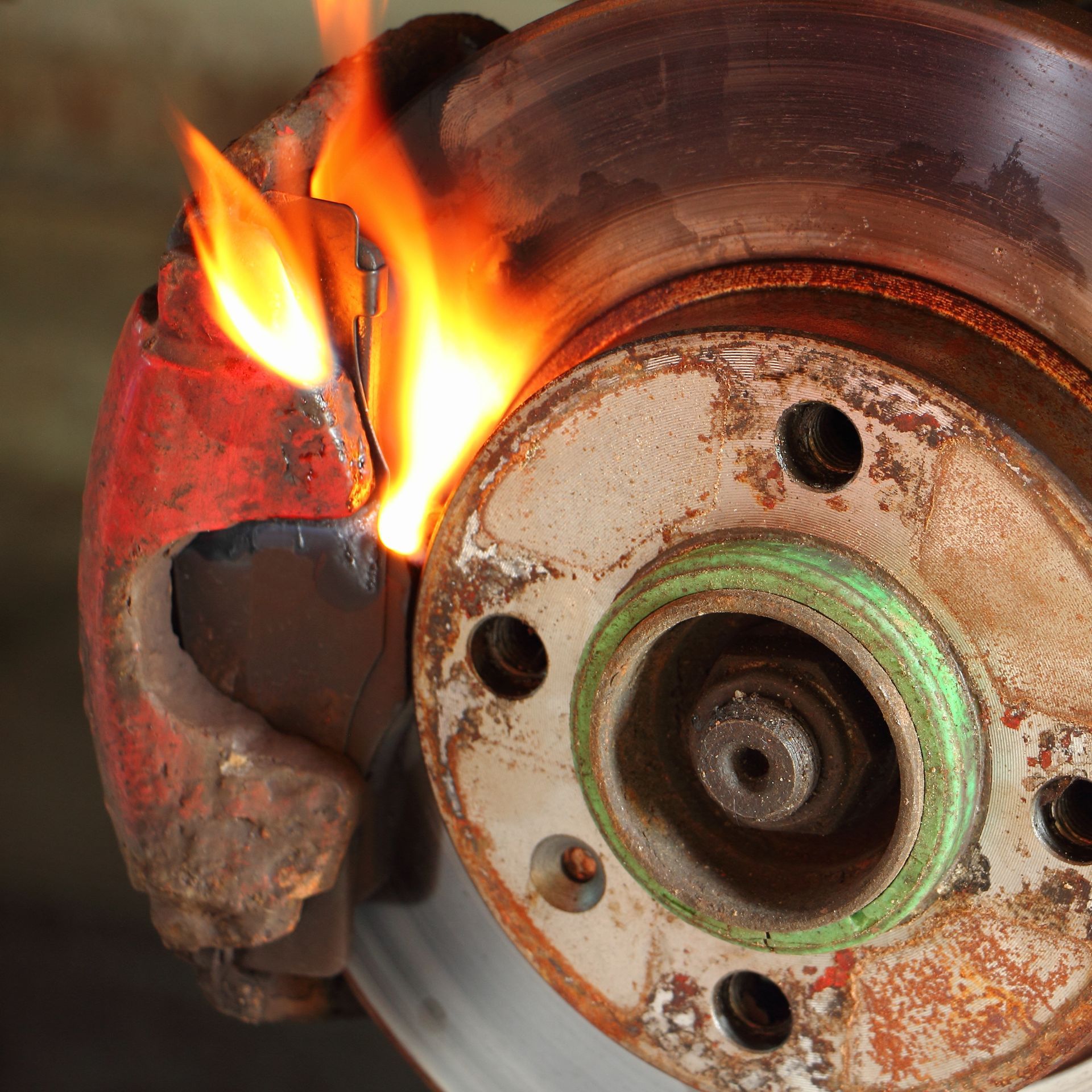
Resting your foot on the brake or braking late and hard over and over builds heat fast. Heat accelerates pad wear, cooks brake fluid, and can warp rotors, which is when you start feeling pulsing or vibration. Giving yourself more following distance lets you lift early and slow the car without turning every stop into a heat event.
2. Stretching Oil Changes And Ignoring The Level
Oil doesn’t just lubricate but also carries heat and tiny contaminants away from moving parts. When oil gets old or low, protection drops and wear rises in places you can’t see or hear yet. Regular maintenance here is simple: use the correct oil, keep the level where it belongs, and don’t treat the change interval like a suggestion.
3. Flooring It Before The Engine Is Warm
A cold engine has thicker oil and tighter clearances that need a few minutes to stabilize. Hard acceleration right after start-up loads bearings and timing components before lubrication and temperature are where they should be. Driving gently for the first few miles is one of the easiest ways to reduce long-term wear without changing your schedule.
4. Skipping Tire Pressure Checks And Rotations
Tires lose pressure over time, and even a small drop changes how the tread meets the road. Underinflation builds heat and wears shoulders, while uneven wear can create noise and vibration that stresses suspension parts. Rotations keep wear even, and even wear keeps braking and handling consistent.
5. Treating Potholes And Curbs Like No Big Deal
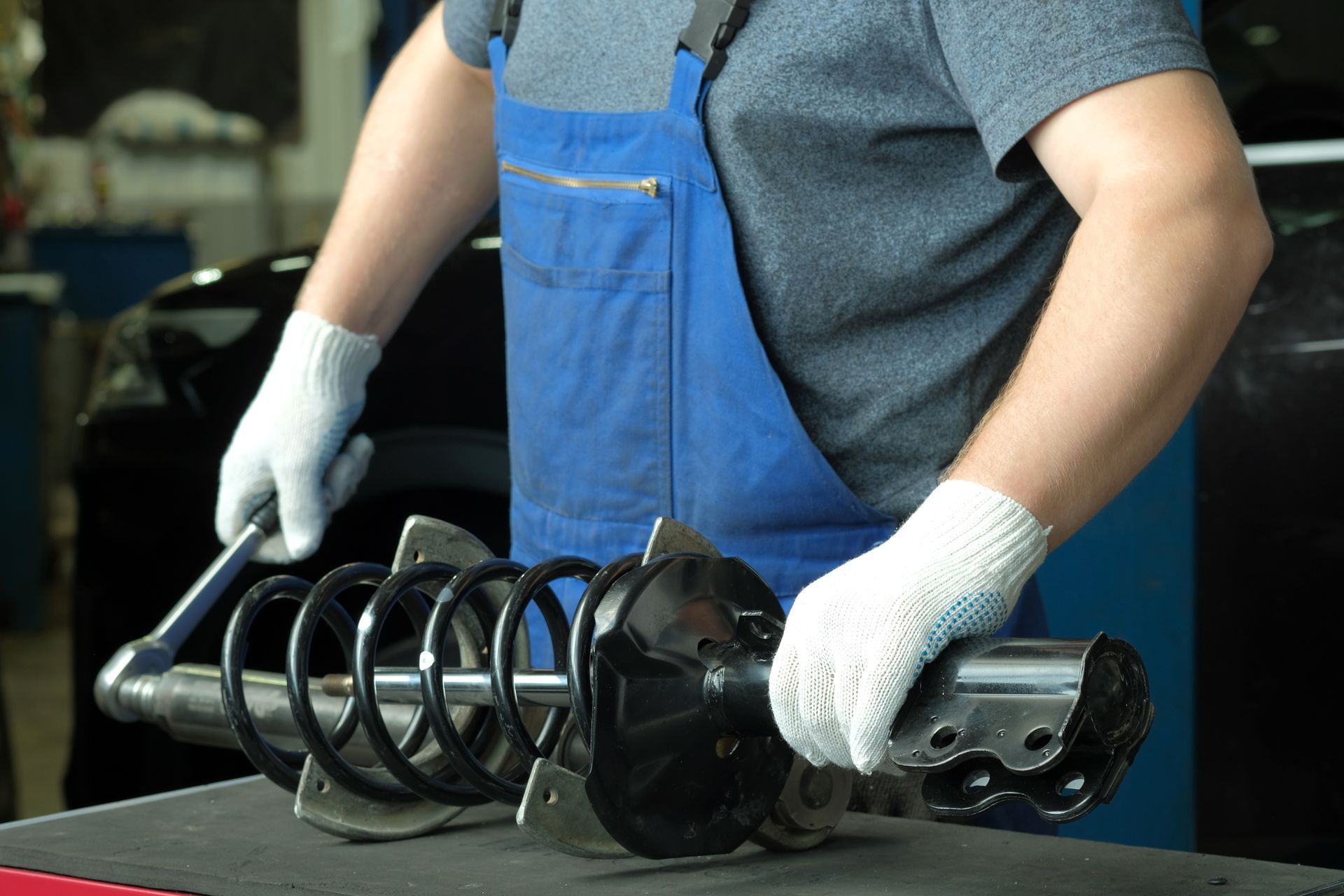
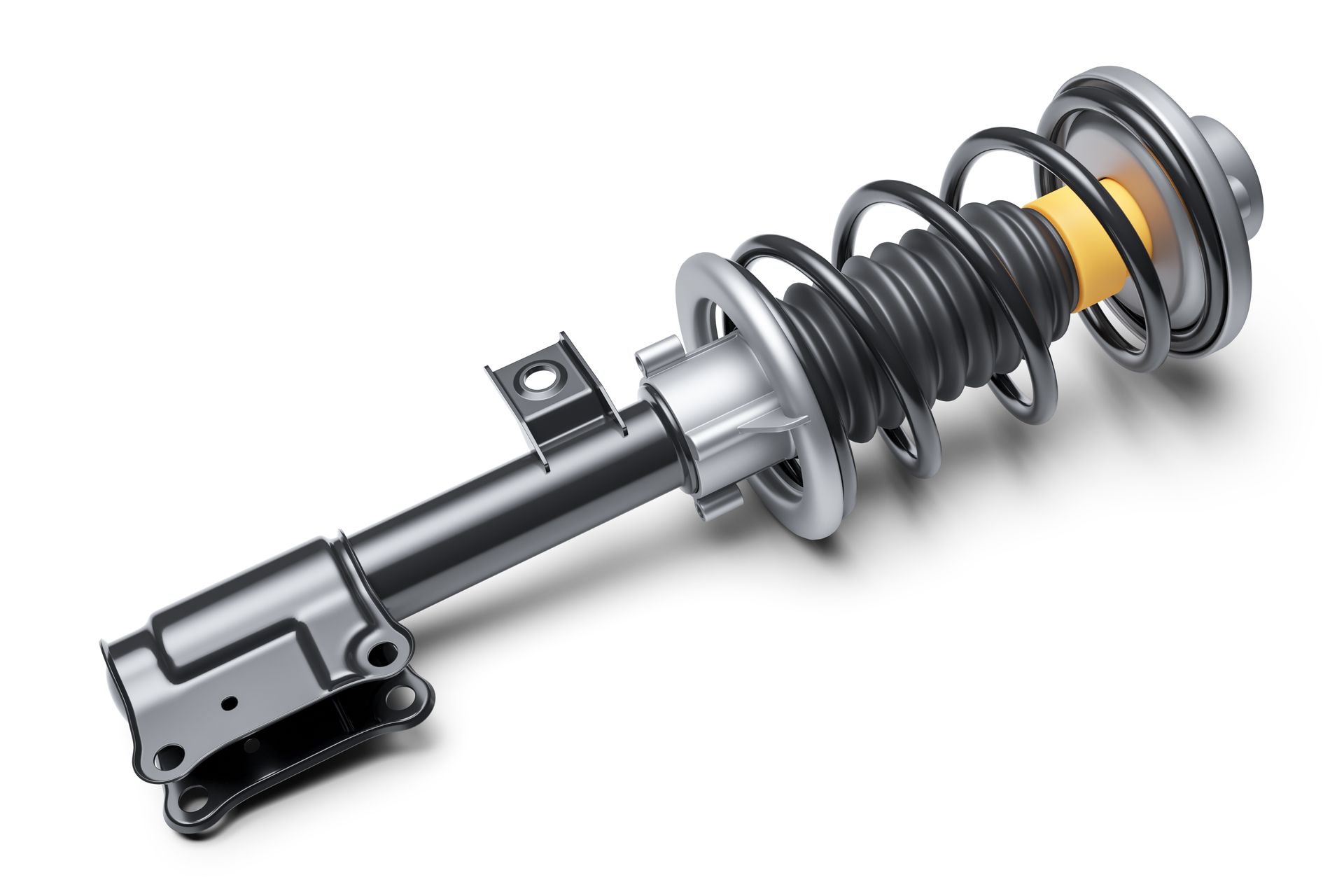
A hard hit can bend a wheel, knock alignment out, or damage suspension bushings without leaving a dramatic mark. The warning signs show up later as a steering pull, uneven tire wear, or a new shake at certain speeds. If the car starts feeling different after a hit, check it early before the tires get chewed up.
6. Driving With A Warning Light On For Weeks
A warning light is the car telling you a system is outside its expected range. Sometimes the vehicle still feels normal, but hidden issues like misfires, air leaks, or sensor faults can raise fuel use and strain emissions parts. The longer you drive with the light on, the more likely you turn a small fix into a bigger one.
Here are a few symptoms that deserve quick attention:
- A check engine light that flashes under load
- Noticeable shaking at idle or on acceleration
- A fuel smell or strong exhaust odor after driving
- Coolant level dropping between checks
7. Overloading The Car Or Towing Past Its Comfort Zone
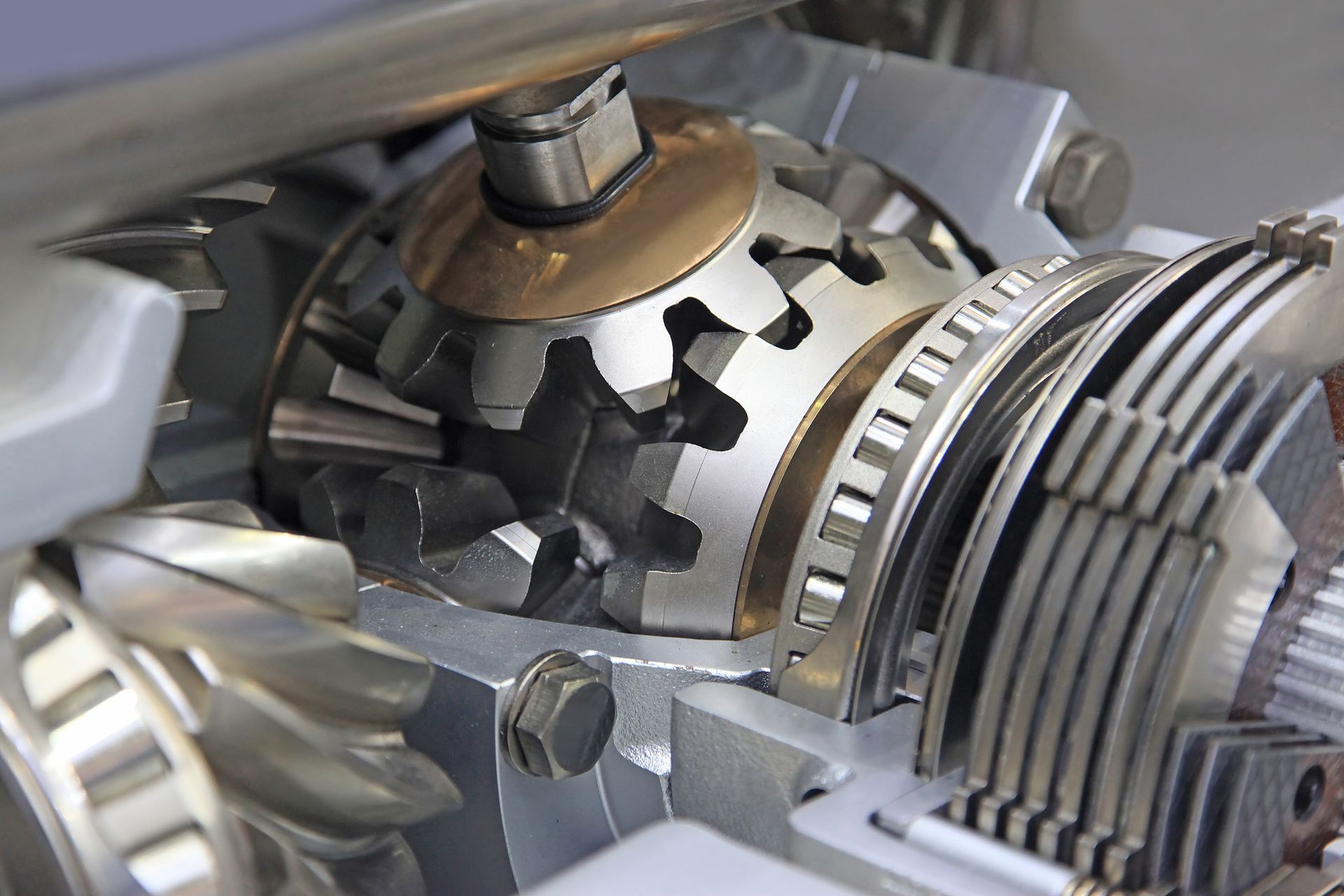
Extra weight increases brake demand, transmission heat, and suspension stress. Towing beyond what the vehicle is built for can overheat fluids and accelerate wear on driveline parts, especially on long grades. If you tow regularly, the smartest move is to keep cooling and fluid service up to date and not ignore early shifting changes.
8. Using The Wrong Fluids Or Cheap Parts That Don’t Fit
Modern engines and transmissions are picky about fluid specs, and the wrong product can change shifting behavior, seal life, and temperature control. Cheap filters that fit loosely can let air or debris bypass, which defeats the point of replacing them. Using the correct spec and quality parts keeps the system operating the way it was designed to.
9. Letting Small Leaks And Noises Become Background Noise
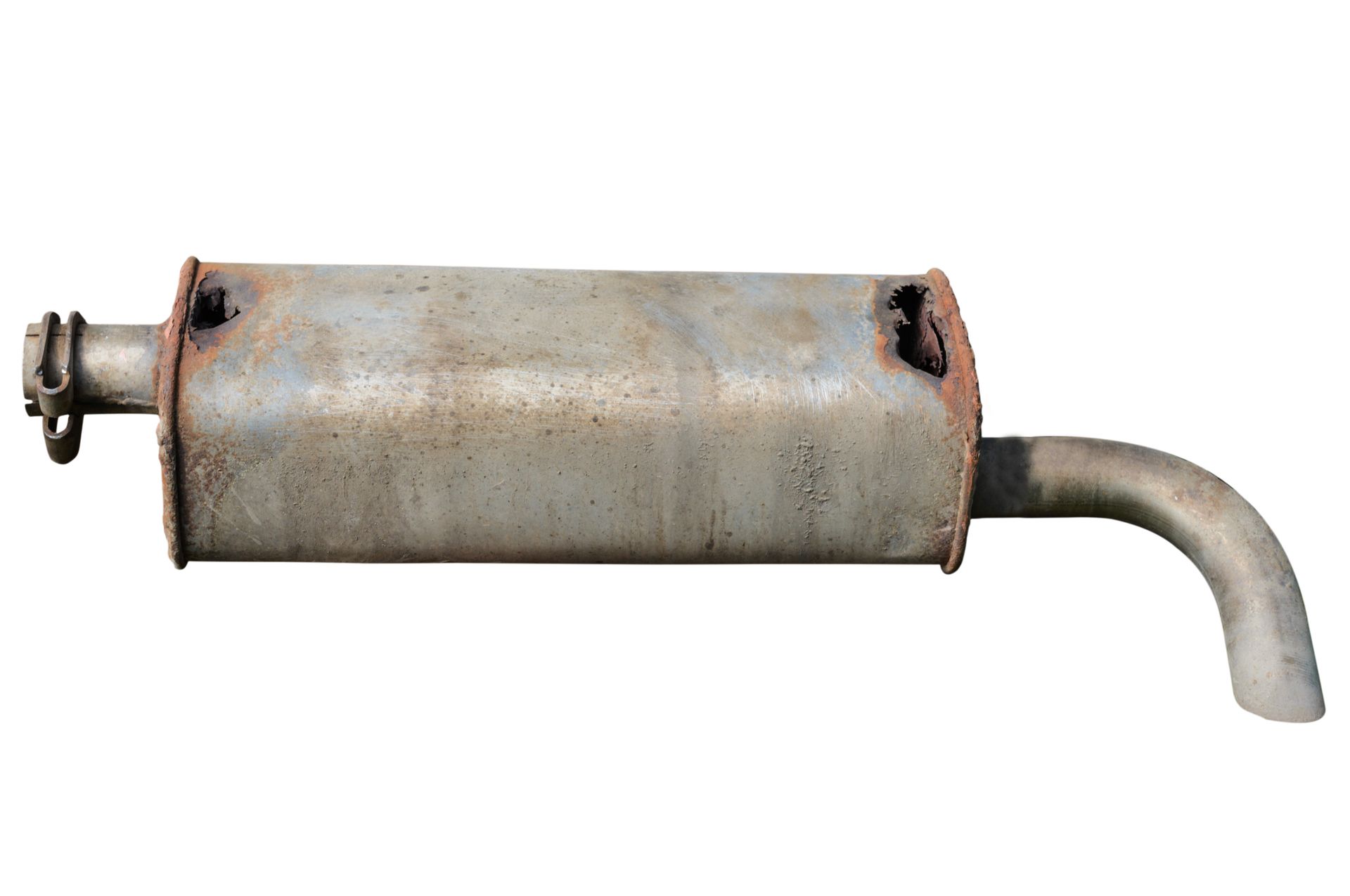
Small leaks don’t stay small, and a slight noise rarely improves on its own. Oil leaks attract dirt and hide fresh seepage, coolant leaks can become overheating, and a minor clunk can turn into loose steering or suspension parts. The earlier you address the source, the less collateral wear you create on nearby components.
10. Neglecting The Battery And Charging System Until It Fails
Weak batteries strain starters and electrical systems, and low charging output can cause random warning lights and weird behavior that feels hard to pin down. Corroded terminals create resistance, which means less power delivery when the car needs it most. Cleaning terminals, checking charging output, and replacing an aging battery before it collapses prevents a lot of inconvenient no-start mornings.
Get Preventive Maintenance In San Diego, CA, With Auto Tech Specialists Service Center
Book an inspection at Auto Tech Specialists Service Center in San Diego, CA, so we can spot wear patterns early and help you avoid repairs that come from simple habits.
A few small changes now can keep your car feeling solid for years.